FLOC AQUA SERIES
Polyacrylamide (PAM) — Floc Aqua series
Anionic, cationic and non-ionic flocculants for sludge dewatering, tailings thickening and industrial wastewater clarification. Supplied as powder or emulsion, with technical support on make-up and dosing.
What it is and how it works
Polyacrylamide is a water-soluble polymer. Dissolved and diluted, its long chains adsorb on several particles at once and bridge them into aggregates that settle or dewater far faster than coagulation alone can achieve.
The charge type decides where it works. Anionic grades suit mineral suspensions such as tailings, coal washing and metal hydroxide sludge, where the particles are already positively charged at the surface. Cationic grades neutralise the negative charge of organic sludge and are the standard choice for municipal and paper mill dewatering. Non-ionic grades tolerate acid and high salt levels.
Anionic, cationic or non-ionic
| Type | Charge density | Molecular weight | Typical use |
|---|---|---|---|
| Anionic | 10 – 40 mol% | 8 – 18 million | Tailings, coal washing, mineral processing, metal hydroxide sludge |
| Cationic | 10 – 60 mol% | 6 – 12 million | Municipal sludge dewatering, paper, dyeing, food processing |
| Non-ionic | < 5 mol% | 6 – 12 million | Acidic or high-salt systems, some food and fermentation effluent |
Typical specification
| Parameter | Typical value | Method / note |
|---|---|---|
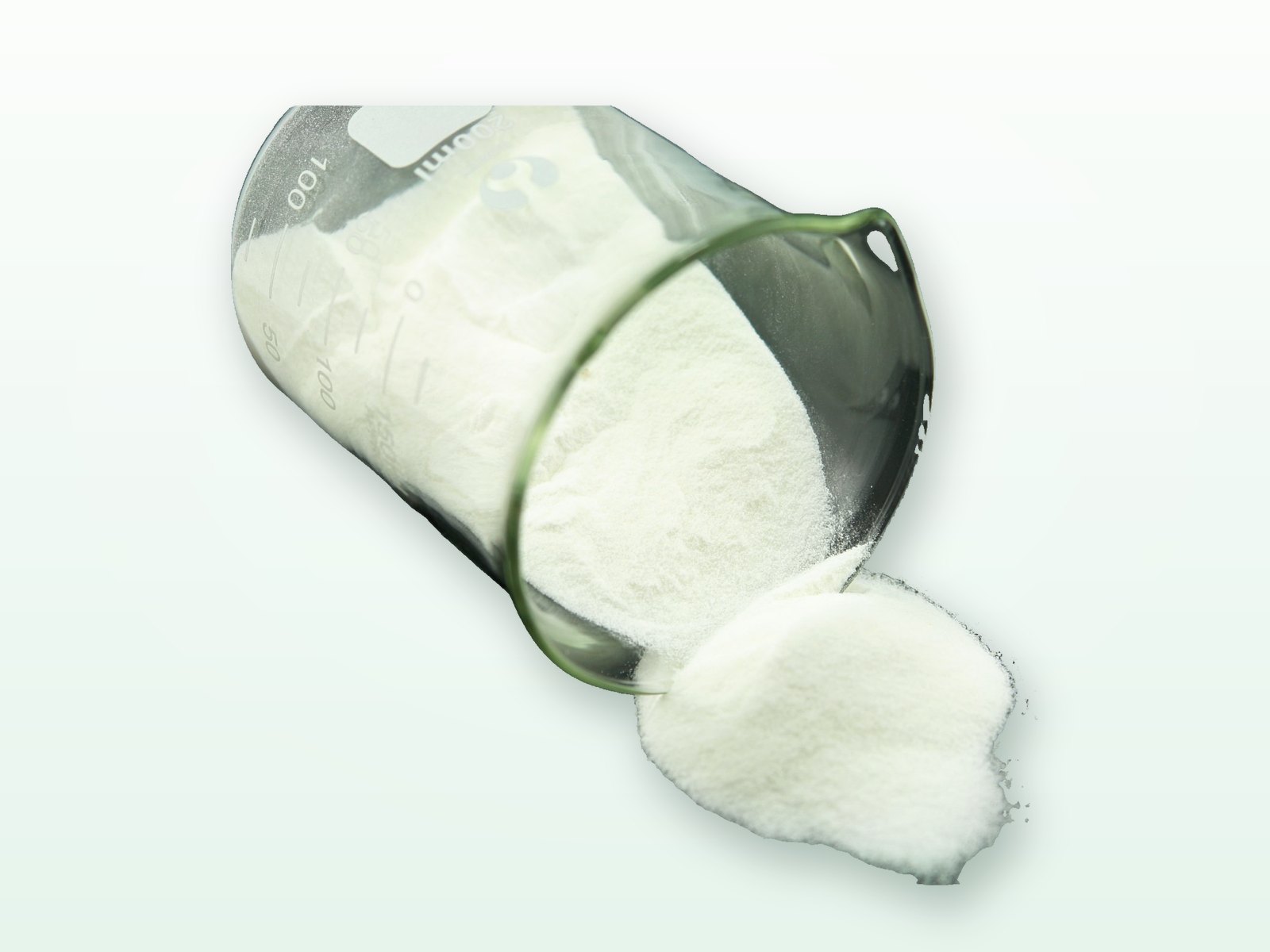
| Appearance | White granular powder | Visual |
| Solid content | ≥ 90 % | GB/T 17514 |
| Insolubles | ≤ 0.2 % | GB/T 17514 |
| Residual monomer | ≤ 0.1 % (industrial) | GB/T 17514 |
| Recommended make-up | 0.1 – 0.3 % solution | Application |
| Dissolution time | 30 – 60 min at 60 – 120 rpm | Application |
Typical values. Residual monomer limits differ between industrial and potable-water applications, so state the end use in your enquiry and we will quote the matching grade.
Make-up and dosing
- Flocculation aid after PAC: 0.1 – 2 mg/L of working solution, dosed into gentle mixing.
- Sludge dewatering: typically 1 – 5 kg per tonne of dry solids, depending on sludge type.
- Make-up water must be below 40 °C; above that the polymer degrades and loses viscosity.
- Never dose dry powder directly into a flowing stream — it will form fish-eyes that never dissolve.
Packing and storage
| Powder | 25 kg kraft paper bag with PE liner; 750 kg jumbo bag |
|---|---|
| Emulsion | 200 kg drum, 1000 L IBC |
| 20 ft container | About 18 – 20 t palletised |
| Shelf life | 24 months for powder in sealed bags, dry storage |
Polyacrylamide FAQ
How do I choose between anionic and cationic?
Start from the solids, not the product. Mineral suspensions — tailings, coal, metal hydroxide sludge — usually respond to anionic grades. Organic sludge from municipal plants, paper mills and food plants carries a negative charge and responds to cationic grades. If the stream is acidic or high in salt, try non-ionic. A simple jar test settles the question in an hour.
Why do we get fish-eyes when dissolving?
The outer layer of each granule swells first and seals the dry core inside. Reduce the make-up concentration to 0.1 – 0.3 %, sprinkle the powder slowly into moving water rather than dumping it, and keep the mixer at 60 – 120 rpm. Over-mixing shears the chains and reduces performance, so stop as soon as the solution is uniform.
What water temperature should the make-up use?
Ambient to about 40 °C. Warmer water dissolves faster but degrades the polymer; above 40 °C the viscosity drop is permanent. In winter, cold water below 10 °C can double the dissolution time, so extend the mixing time rather than raising the temperature.
Can PAM be used in potable water treatment?
That depends on the residual monomer limit and on the registration rules of the destination country. Our standard industrial grades are not intended for potable water. Tell us the application and the country of use, and we will confirm whether a compliant grade and documentation are available before you order.